
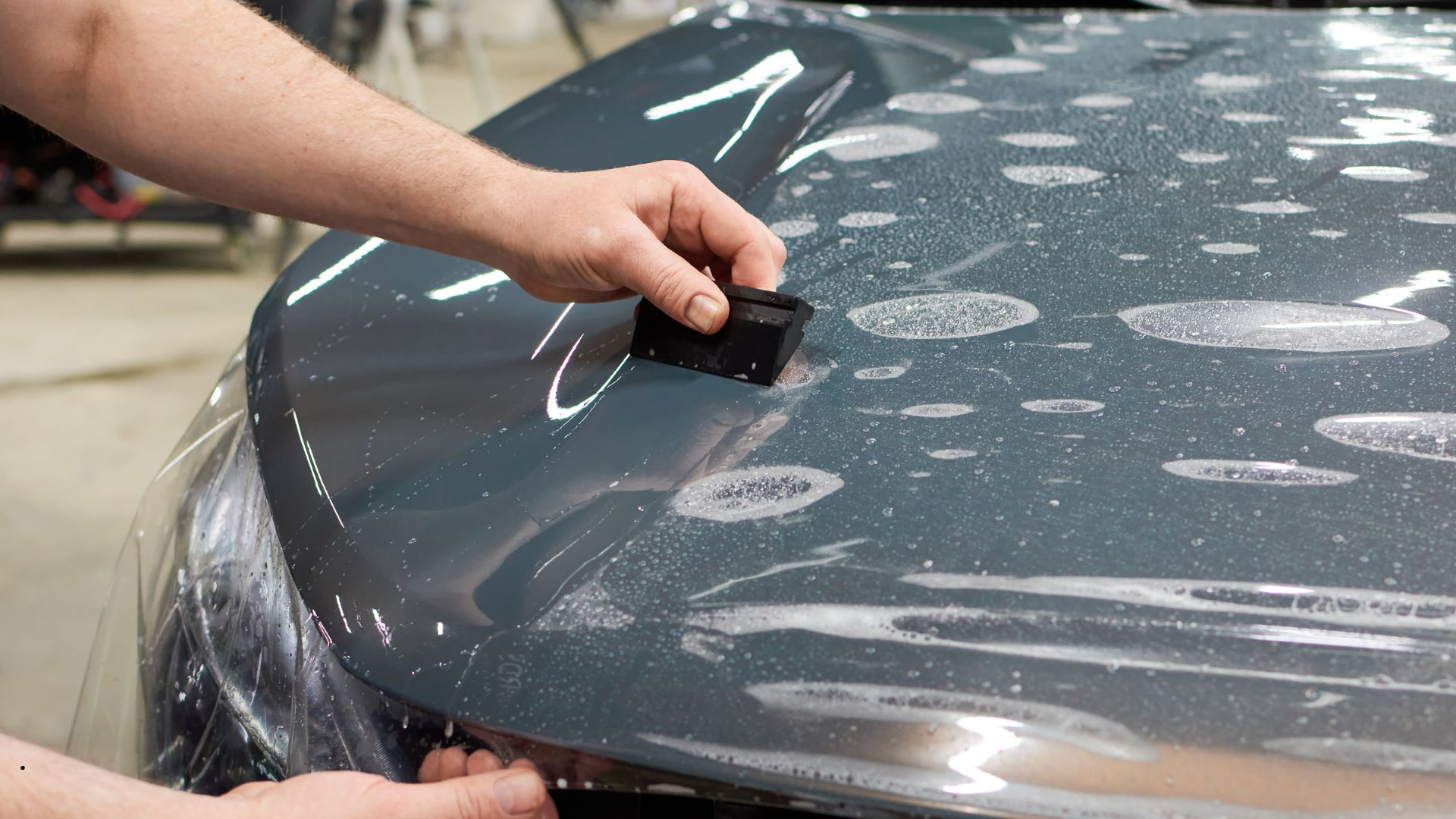
Paint protection film is a clear, durable layer applied to painted surfaces to help prevent rock chips, scuffs, staining, and UV-related fading. This protective solution is especially effective in Southern Arizona, where dust, heat, and open-road debris are daily realities for drivers. Many people seeking car paint protection near Tucson, AZ begin with a full auto detailing and paint preparation, then add paint protection film (PPF) to lock in that “just detailed” look for a longer period.
Introduction
Desert driving is beautiful, but it is not gentle on paint. Sun exposure, abrasive dust, highway gravel, and the constant cycle of wash and dry can quietly dull a finish that looked flawless on day one. If you have been searching for car paint protection near Tucson, AZ, paint protection film (PPF) is one of the most practical ways to keep your vehicle looking sharp while reducing long-term upkeep.
What is Paint Protection Film: The Best Car Paint Protection Near Tucson, AZ
PPF is a nearly invisible urethane film installed over paint, usually on the front bumper, hood, fenders, mirrors, and door edges. Quality films are designed to absorb impacts, resist staining, and stay optically clear when installed correctly.
What it is not: a force field. PPF will not make your car immune to severe impacts, poor washing habits, or years of neglect. It also does not replace routine washing. It simply gives your paint a tougher, sacrificial surface so the original finish takes less abuse.
If you are comparing options while shopping for car paint protection near Tucson, AZ, it helps to see where PPF fits alongside other common protective steps:
| Option | What it mainly helps with | Typical durability | Best fit for |
| Traditional wax/sealant | Water beading, mild gloss, minor staining resistance | Weeks to a few months | Low-cost shine, frequent reapplication |
| Ceramic coating | Chemical resistance, easier cleaning, strong gloss | Years (with care) | Drivers who want easier washes and long-term shine |
| Paint protection film (PPF) | Rock chips, scuffs, abrasion, many stains | Years (with care) | High-impact zones and highway driving |
| Full detail + paint prep | Removes bonded contamination; improves clarity | Varies | Restoring the baseline before protecting |
PPF is often paired with ceramic coatings on top of the film to make washing even easier, but the core value of PPF is impact protection.
Reason 1: Tucson roads can be hard on front-end paint
Tucson’s open stretches of roadway and desert crosswinds can kick up sand and small rocks that act like sandpaper at speed. Even careful drivers can rack up tiny chips on the bumper and leading edge of the hood. While paint protection film shields the exterior, window tinting can also help guard the interior from UV damage.
PPF targets exactly those high-impact areas. Instead of your clear coat taking every hit, the film takes the wear. Many films also have self-healing properties that reduce the appearance of light swirls and scuffs from normal washing and daily contact, depending on the film type and heat conditions.
This is one reason people looking for car paint protection near Tucson, AZ often start by protecting the “strike zones” first, then expand coverage later if they like the results.
Reason 2: UV exposure is relentless, and clear coat ages quietly
Arizona sunlight is a major factor in paint aging. UV exposure contributes to oxidation, fading, and clear coat failure over the long run, especially on horizontal surfaces like the hood and roof.
PPF adds another layer between the sun and your paint. While it is not a substitute for parking in shade when you can, it can slow down the cosmetic aging that shows up as dullness and uneven color.
Reason 3: It helps you avoid repeated polishing, which preserves paint thickness
When paint gets swirled, dulled, or etched by contamination, the fix is often polishing. Polishing is effective, but it removes a microscopic layer of clear coat each time. That means “fixing it again later” has a built-in limit.
A properly installed PPF system reduces the amount of correction your factory paint needs over the years. If your vehicle already has visible swirls or water spotting, it is common to do professional car paint correction before film installation so you are not sealing defects under the film.
And if you have ever wondered why reputable shops insist on paint prep, this is why: film is transparent, so whatever is in the paint will remain visible. Done right, PPF is a long-term decision that starts with clean, polished paint.
Reason 4: It keeps daily maintenance simpler, even during dusty seasons
Desert dust is not just “dirt.” It is often mineral-heavy and abrasive. If you wipe it off dry, you can grind particles into the clear coat and create fine scratches. During windy weeks, a car can look dusty again within hours of washing.
PPF gives you more margin for error. You still want safe washing habits, but the film surface generally tolerates routine maintenance better than bare clear coat. Bug splatter and tar also tend to release more easily from film than from unprotected paint, which can mean less aggressive scrubbing.
After a proper install, a simple routine often looks like this:
- Two-bucket wash
- pH-balanced shampoo
- Soft microfiber drying towels
That routine sounds basic, yet it is exactly how great finishes stay great.
Reason 5: It supports resale value by keeping paint honest
Buyers notice paint condition quickly, even when they cannot explain what they are seeing. A front bumper peppered with chips and a hood full of etching reads as “hard life,” while clean paint reads as “well cared for.”
PPF helps you present paint that matches the rest of the vehicle’s condition. It also reduces the odds you will need last-minute cosmetic repairs before selling or trading in. Many owners see it as part of the best car paint protection strategy because it addresses the most common real-world damage: impact and abrasion.
If you are trying to decide what counts as the best car paint protection, it helps to think about your driving patterns first. Lots of freeway miles, construction zones, gravel shoulders, or road trips north toward areas that use de-icing treatments in winter all raise the value of impact-focused protection.
Why Professional Car Paint Correction Matters
People often shop for protection, detailing services, and detailing at the same time, so it helps to set clear expectations. A “full detail” is more than a quick wash and vacuum. It is a structured process designed to reset the vehicle’s surfaces so protection products bond better and look better.
A thorough full detail commonly includes window tint installation to reduce heat and UV exposure, in addition to:
- Exterior wash: Contact wash that removes loose dirt without grinding it into paint
- Paint decontamination: Chemical removal of iron fallout and tar, plus a clay process to remove bonded grit
- Paint refinement: Light polishing when needed to improve clarity and reduce swirls
- Protection step: Wax, sealant, ceramic, or prep work for PPF installation
- Interior vacuuming and dusting: Including crevices, mats, and trunk/cargo area
- Shampooing and stain treatment: Fabric extraction or steam work when needed
- Surface protection: UV protectant for plastics and trim; leather conditioning when appropriate
If a shop recommends professional car paint correction before film, it is usually because the paint needs more than a quick polish to look even and glossy. Correction can range from a single-stage polish (minor swirls) to multi-step correction (heavier defects). That prep is often the difference between “PPF installed” and “PPF installed and it looks stunning.”
Setting Realistic Expectations: Time, Pricing, and Results for Car Professional Car Paint Correction
Time and cost vary widely because vehicles vary widely. A large SUV with complex bumper shapes and many trim pieces will take longer than a simple sedan. The condition of the paint also matters. Desert-driven vehicles can carry embedded contamination that needs extra time to remove safely.
Here is a practical way to think about scheduling and budgeting:
- Basic full detail: Often a half-day appointment for a well-kept vehicle
- Deep interior restoration: Can extend to a full day if stains and odors require multiple passes
- PPF partial front: Often scheduled as a dedicated install block, not an “add-on” to a quick wash
- Full front or full-body PPF: Usually multi-day work because precision matters and curing time matters
Results should also be framed realistically. Great detailing, ceramic coatings, and protection can dramatically improve gloss, clarity, and ease of cleaning. It will not make neglected paint perfect without correction work, and it will not make every scratch disappear. Expect honest improvement, not magic.
If you are shopping for car paint protection near Tucson, AZ, ask service providers to explain their prep steps in plain language. You are not only paying for materials. You are paying for surface prep, clean-room habits, careful cutting or plotter patterns, edge work, and the ability to avoid trapping dust under film.
How Local Wear Patterns Impact Car Paint Protection
Tucson drivers tend to see a few repeat offenders:
Dusty wind events can coat paint quickly, raising the risk of wash-induced swirls if you rush the process. Summer monsoons can add muddy splash and mineral deposits. Highway commuting can add chips on the bumper, hood, and A-pillars.
And Tucson itself does not see heavy road-salt use the way many northern states do, road trips to higher elevations in winter can bring de-icing chemicals into the mix. That exposure can leave residue in wheel wells and lower panels, where good cleaning and protection habits pay off.
Questions Worth Asking Before You Book Professional Car Paint Protection
Choosing protection is easier when you ask a few direct questions about ceramic coatings and listen for direct answers. After you have read enough to feel confident about the basics, bring the conversation back to your vehicle and your goals:
- Prep: What decontamination and polishing steps are included before film goes on?
- Coverage: Which panels are covered, and how are edges handled?
- Care plan: What wash method and maintenance schedule do they recommend after installation?
- Warranty and film type: What film is used and what is covered if yellowing, lifting, or hazing occurs?
These answers help you compare options without getting lost in marketing language.
Where PPF Fits if You Want Long-Term Pride of Ownership with the Best Car Paint Protection
Many owners start with a full detail, then protect the highest-impact zones with PPF, then keep the finish healthy with safe washing and occasional maintenance details. That rhythm works because it respects how paint actually wears in the Sonoran Desert.
If your goal is to spend less time correcting problems and more time enjoying a vehicle that looks consistently clean, car paint protection near Tucson, AZ is less about hype and more about choosing the right layer of defense for how you drive.
Ready to protect your investment and enjoy the best car paint protection? Contact ICON Auto Lab today to schedule your consultation and discover how our expert team can help your vehicle look its absolute best. Visit ICON Auto Lab to get started!
Frequently Asked Questions About Car Paint Protection Near Tucson, AZ
1. What is car paint protection, and how does it work?
Car paint protection typically refers to a clear film or ceramic coating applied to your vehicle’s painted surfaces. These protective layers shield your car from rock chips, scratches, UV damage, and environmental contaminants, helping maintain a glossy, like-new finish.
2. Is paint protection film (PPF) worth it in Tucson’s climate?
Absolutely. Tucson’s intense sun, heat, and frequent dust storms can quickly degrade unprotected paint. PPF offers a durable barrier against UV rays, sand, and debris, making it an excellent investment for local drivers.
3. How long does car paint protection film last?
High-quality paint protection film can last anywhere from 5 to 10 years, depending on the product used and how well you care for your vehicle. Regular washing and maintenance will help maximize its lifespan.
4. Can I apply paint protection film myself, or should I hire a professional?
While DIY kits exist, professional installation ensures the best results. Trained technicians have the experience and tools to apply the film smoothly and precisely, avoiding bubbles, wrinkles, or misalignment.
5. Does car paint protection film affect the appearance of my vehicle?
No—when installed correctly, PPF is virtually invisible and enhances your car’s shine. It preserves the original paint color and finish while providing robust protection.
6. How much does car paint protection near Tucson, AZ typically cost?
Pricing varies based on the size of your vehicle, the areas you want protected, and the type of film or coating selected. Most customers find the investment worthwhile given the long-term benefits and savings on paint repairs.
7. Can paint protection film be removed?
Yes, PPF can be safely removed by professionals without damaging your car’s original paint, making it a flexible option for leased vehicles or future resale.
8. What’s the difference between paint protection film and ceramic coating?
Paint protection film is a physical barrier that protects against chips and scratches, while ceramic coatings are liquid polymers that bond with the paint to provide chemical resistance and enhanced gloss. Many Tucson drivers choose to combine both for maximum protection.