
If you live in a sunny climate like Tucson, Arizona, you know that the sun can be brutal on your vehicle’s paint. Over time, prolonged exposure to harsh UV rays breaks down the protective clear coat sun damage, leading to fading, oxidation, and those unsightly sun spots car owners dread.
Learning how to fix sun damaged car paint is crucial, not just for aesthetics, but to protect the underlying metal from corrosion. Whether you’re dealing with a mildly dull hood or an extremely chalky roof, this guide will walk you through identifying, assessing, and repairing the damage to restore your car’s luster.
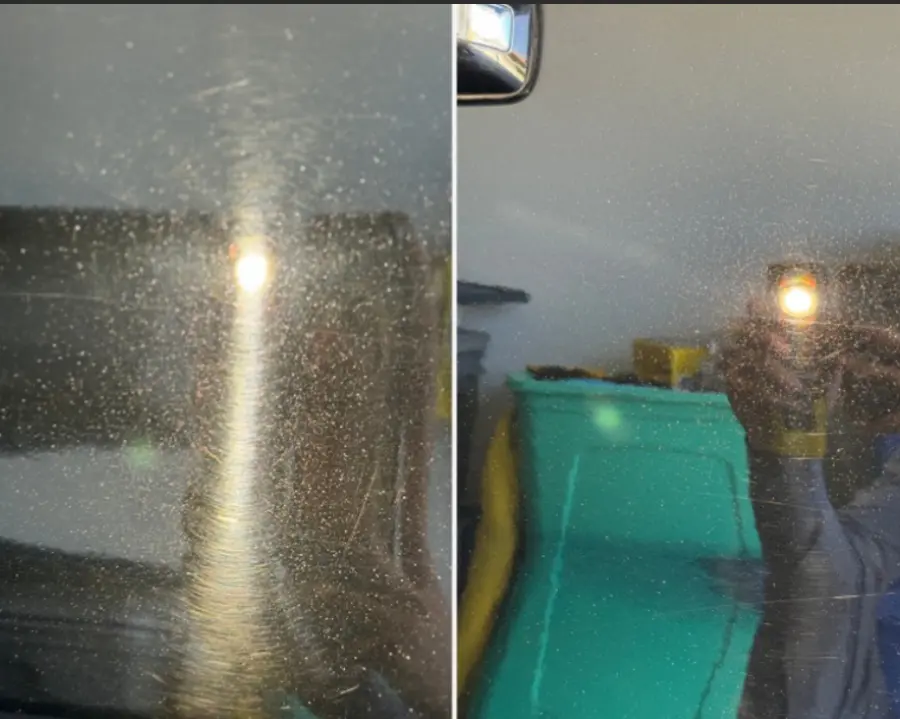
Identifying Sun Damaged Paint
The first step in any repair is accurate diagnosis. Catching the signs of car paint sun damage early can save you significant time and money.
Look for these tell-tale signs:
- Fading or Color Shift: The color looks duller or lighter, especially on horizontal surfaces like the roof, hood, and trunk.
- Chalky or Powdery Texture: When you rub a clean microfiber towel over the paint, it might feel rough, or you may see a powdery residue. This is oxidation.
- Hazy or Rough Clear Coat: The finish looks blurred or micro-cracks are visible. This indicates the clear coat sun damage is beginning to fail.
- Uneven Gloss (Sun Spots): Patches of the paint appear dull, while others remain somewhat glossy, creating sun spots car owners often notice after washing.
If your car’s paint feels rough or looks cloudy, you are likely dealing with early-stage sun damaged paint. Addressing this quickly with a simple polish can prevent it from progressing to peeling.
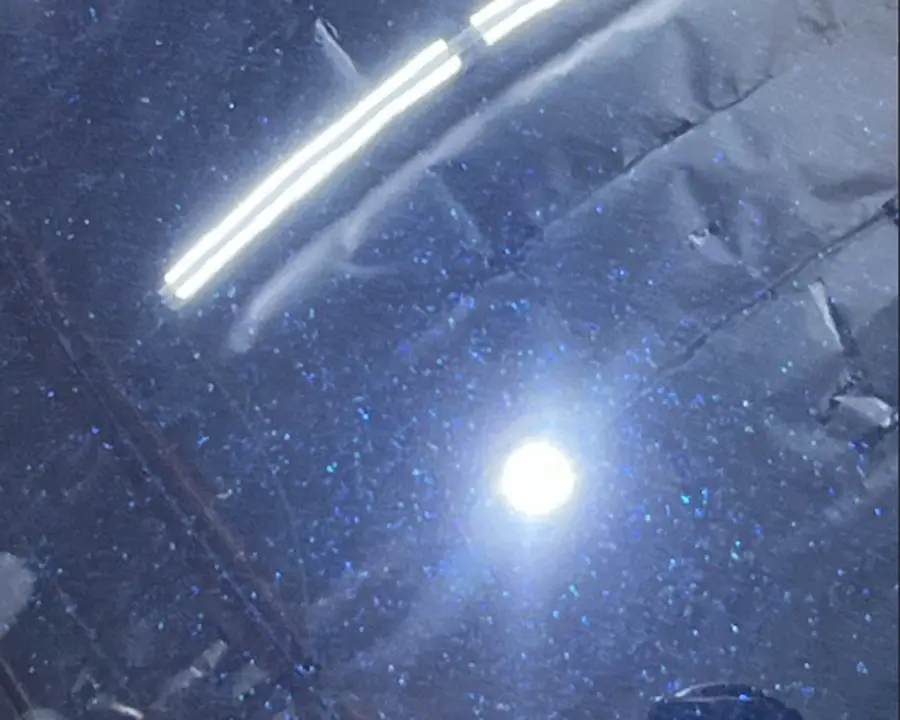
Severity Levels of Sun Damage
Matching the repair method to the damage severity is key to successful restoration.
| Level | Characteristics | Fix Difficulty | Recommended Solution |
| Mild | Dull shine, light fade, slight chalkiness. | Low | Polish only |
| Moderate | Heavy oxidation, noticeable color shift. | Medium | Compound + Polish |
| Severe | Clear coat is peeling, deep fading into the color coat. | High | Sanding + Base Coat/Clear Coat Application |
| Extreme | Paint is cracked, bare metal may be exposed. | Very High | Full Respray |
For mild to moderate damage, a DIY approach on how to get rid of sun damage on car paint is possible. For severe damage, professional help is highly recommended to avoid compounding the problem, such as sanding too deep and exposing the base coat.
Tools and Materials for Fix Sun Damaged Paint
Before you begin, gather the necessary supplies. Always work in the shade to prevent cleaning products and compounds from drying too quickly.
- pH-neutral car soap and two buckets
- Clay bar and lubricant
- Microfiber towels and applicator pads
- Polishing compound (mild abrasiveness)
- Rubbing compound (higher abrasiveness for moderate damage)
- Dual Action (DA) Orbital Polisher (recommended for best results)
- 1500-3000 grit wet sandpaper (for severe spots)
- Primer, color-matched touch-up paint, and clear coat spray (for severe spots)
- Wax or sealant with UV protection
- Masking tape (for protection during severe repairs)
Step-by-Step: How to Fix Sun Damaged Car Paint
Follow these steps carefully to repair sun damaged car paint and restore a glossy finish.
1. Wash and Decontaminate
Thoroughly wash your vehicle using the two-bucket method. After washing, use a clay bar with lubricant to remove embedded contaminants, which often make the oxidation look worse and can interfere with the compounding/polishing process.
2. Polish Mild Areas (Light Fading)
If the damage is mild (only light dullness), start with a fine polishing compound.
- Apply a small amount of polishing compound to a foam pad on your DA polisher.
- Work in a small area (about 2×2 feet) using overlapping, slow, circular motions and light pressure.
- Wipe the area clean with a microfiber towel and check the results. You should see an immediate improvement in clarity and gloss.
3. Compound Moderate Damage (Heavy Oxidation)
If the paint is heavily oxidized and chalky, you’ll need a rubbing compound (also called a medium-cut compound) to address the clear coat sun damage.
- Switch to a more abrasive microfiber or foam pad on your polisher.
- Apply the rubbing compound and work the 2×2 section with moderate pressure until the oxidation starts to lift.
- Wipe clean, then follow up with the polishing compound from step 2 to refine the finish and maximize gloss.
4. Sand and Paint Severe Spots (Repair Clear Coat Sun Damage)
For areas where the clear coat is flaking or peeling, sanding and spot repair are necessary. This is where professional attention often pays off.
- Sand: Using a sanding block and 1500-grit wet sandpaper, gently sand the peeling clear coat until you reach a solid, uniform surface (the base coat). Feather the edges so the transition is smooth. Progress to 2500 or 3000-grit to smooth the area further.
- Prime and Paint: Mask the surrounding good paint. Apply thin, even coats of primer, allowing flash-off time between coats. Once dry, apply thin coats of your color-matched base coat paint.
- Clear Coat: Apply 2-3 thin coats of clear coat spray to protect the base coat and match the surrounding gloss.
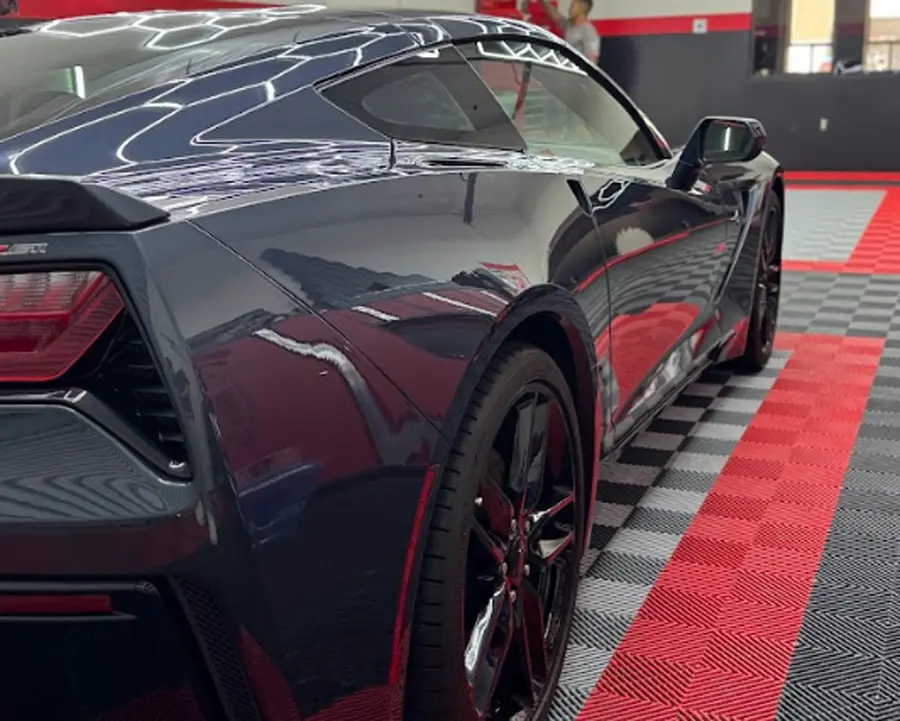
5. Buff and Protect
Once all repairs are done, give the entire vehicle a final pass with a finishing polish. Crucially, apply a high-quality wax or, better yet, a durable paint sealant or ceramic coating. This acts as the sacrificial barrier that prevents future UV rays from causing sun damaged paint again.
How to Fix Sun Damage on Car Roof
The roof and hood are the areas most exposed to direct, overhead sunlight, meaning the damage is often most severe here.
- Start with a thorough decontamination, paying extra attention to the roof’s grooves.
- Use a medium-cut compound first, as car paint sun damage is typically advanced on the roof.
- If the damage is severe, you may need light wet sanding (2000-grit) across the entire roof, followed by compounding and polishing. Always blend your work down the sides of the roof panel to avoid harsh lines.
Getting Rid of Sun Spots Car Owners Notice
Sun spots car owners see are often mineral deposits that have etched the clear coat under intense heat.
- For light spots, try a pre-soak with a mild vinegar solution, followed by polishing.
- For persistent spots, a targeted spot-buffing with a mild rubbing compound and a small applicator pad can effectively remove the localized etching and restore the clear coat’s clarity.
Prevention is the Best Cure
Once you have completed the sun damaged paint repair, you need a strategy to prevent recurrence:
- Park Smart: Whenever possible, use a garage, carport, or quality car cover.
- Use UV Protection: Regularly apply a wax, sealant, or ceramic coating. Ceramic coatings offer the most robust, long-term UV barrier.
- Wash Gently: Avoid harsh chemicals or automatic washes that strip protective layers.
Professional Help from ICON Auto Lab in Tucson
While DIY methods work great for mild to moderate sun damaged paint, severe peeling or deep oxidation often requires professional expertise, precise color matching, and specialized equipment to avoid damaging the paint further.
If you are a Tucson driver facing severe clear coat sun damage or want a professional application of a ceramic coating to prevent it from happening again, trust the experts at ICON Auto Lab. We offer guaranteed results on how to repair sun damaged auto paint and provide long-lasting protective solutions.
ICON Auto Lab 3200 S Dodge Blvd, Suite 8, Tucson Arizona, 85713 Call us today at +1 520-456-6954 to schedule your paint restoration service! Visit our Facebook Page for more tips and services.